Regular WordPress maintenance keeps your site secure, fast, and actually working the way it should. It covers everything from plugin updates and database cleanups to backups and security audits. Skip it, and you’re looking at slower load times (53% of users bail after 3 seconds), vulnerabilities hackers exploit within hours, and recovery costs 10 times higher than routine upkeep. The good news? A solid maintenance routine isn’t complicated once you know where to start.
Key Takeaways
- Regular WordPress maintenance prevents security vulnerabilities by keeping core files, plugins, and themes updated, blocking hackers who exploit outdated software within hours.
- Routine performance optimization, including database cleanup and image compression, ensures pages load fast, retaining the 53% of users who abandon slow sites.
- Consistent backups stored offsite protect your data, enabling rapid recovery and minimizing costly downtime that can last 10 times longer without prevention.
- Scheduled maintenance preserves user trust by preventing broken pages, security warnings, and poor experiences that drive visitors directly to competitors.
- Automating maintenance tasks through plugins like UpdraftPlus and WP-Optimize reduces manual effort, freeing time while ensuring nothing critical is overlooked.
What Is WordPress Maintenance?
WordPress maintenance is the ongoing process of keeping your site secure, functional, and up to date—think of it as regular oil changes for your car, except skipping this one can get you hacked instead of stranded.
Skipping WordPress maintenance doesn’t leave you stranded—it leaves you hacked.
It covers everything from plugin management and security audits to content updates and image optimization. You’re also looking at performance monitoring, user access controls, and SEO strategies that actually move the needle.
Responsive design checks guarantee your site doesn’t look broken on mobile (because 60% of traffic is mobile now—no pressure). Theme customization keeps things fresh without a full redesign.
Site analytics tell you what’s working. Basically, maintenance isn’t one task. It’s a whole system working quietly behind the scenes so your site doesn’t embarrass you publicly. This includes regular full-site backups to secure offsite storage, ensuring your business can recover quickly in the event of data loss or system failure.
Why Outdated Core Files Are a Security Risk
When WordPress releases a core update, it often patches known security vulnerabilities—gaps that hackers are already aware of and actively exploiting.
Think of it like leaving your front door open after the news reports a break-in spree in your neighborhood; everyone knows the weakness, and some will test it.
If you’re running an outdated version, you’re not just behind on features—you’re fundamentally handing bad actors a published roadmap to your site. Beyond core files, outdated plugins and themes carry known vulnerabilities that attackers can exploit just as easily to gain unauthorized access to your website.
Known Vulnerabilities Get Exploited
Running outdated WordPress core files is basically leaving your front door ajar—except the whole internet can see it. Hackers actively scan for sites running vulnerable versions—and they’re fast. Like, embarrassingly fast. The moment a vulnerability gets publicly disclosed, exploit kits update within hours. Your site becomes a target before you’ve even heard about the patch.
That’s why combining security plugins with consistent update schedules matters enormously. Tools like Wordfence run malware detection and intrusion monitoring automatically, flagging threats before they escalate.
Regular vulnerability assessments and risk analysis help you prioritize what actually needs fixing. Proper firewall configurations block suspicious traffic patterns. Security audits catch what automated threat mitigation misses.
Maintaining a secure hosting environment with frequent backups ensures that even if a vulnerability is exploited, your site can be restored quickly without significant data loss.
Exploit prevention isn’t glamorous work—but neither is explaining to clients why their website is serving spam links.
Patches Fix Security Gaps
Every patch WordPress releases exists because someone found a hole in the code—and holes don’t close themselves.
Security patches aren’t optional upgrades—they’re direct responses to documented weaknesses that hackers already know about. Skipping them is basically handing out your address after someone publishes a map to your front door.
Effective vulnerability management means applying updates within days, not weeks. WordPress 5.8.3, for example, patched four serious vulnerabilities simultaneously—including an SQL injection flaw that could expose your entire database.
That’s not abstract. That’s your customer data, your passwords, your reputation.
Here’s the candid truth: most WordPress hacks aren’t sophisticated. They’re opportunistic. Attackers scan for outdated versions (it takes seconds) and exploit known gaps.
Updated sites simply get skipped. That’s a genuinely satisfying outcome.
Beyond core files, plugins and themes should also be reviewed and updated regularly, as outdated versions carry the same exploitable vulnerabilities that attackers actively target.
The Real Cost of Neglecting Your WordPress Site

Neglect has a price tag—and with WordPress sites, it’s usually higher than you’d expect. Skipping maintenance isn’t “saving time”—it’s borrowing trouble.
Here’s what actually happens when you ignore your site:
- Lost revenue from downtime (even 2 hours costs real money)
- Trust issues when visitors hit broken pages or security warnings
- Performance impact that drives users straight to competitors
- Recovery time that’s 10x longer than prevention would’ve taken
- Long-term costs from emergency fixes versus routine upkeep
Neglected updates create vulnerabilities that hackers genuinely exploit—daily.
Your competitor advantage shrinks every week you delay. Poor user experience isn’t just annoying; it’s measurable in bounce rates.
Maintenance frequency isn’t optional maintenance theater. It’s basic site security hygiene that protects everything you’ve built. Without regular security audits and monitoring, your site remains exposed to evolving cyber threats that can compromise sensitive data and permanently damage your reputation.
How Regular Maintenance Keeps Your Site Fast
Your WordPress site’s speed isn’t just about bragging rights—it directly affects whether visitors stay or bounce (Google’s data shows 53% of mobile users leave if a page takes longer than 3 seconds to load).
Regular maintenance tackles the usual culprits: bloated databases stuffed with post revisions, spam comments, and expired transients that quietly slow everything down.
Pair that cleanup with solid caching through tools like WP Rocket or W3 Total Cache, and you’re looking at a noticeably faster site without rebuilding anything from scratch.
Optimizing images as part of your routine maintenance also plays a significant role, as image load time optimization directly reduces page weight and contributes to a smoother, faster experience for every visitor.
Optimizing Database Performance
Think of your WordPress database as a filing cabinet that never gets cleaned out. Messy, slow, and full of junk you forgot existed.
Regular database cleanup removes post revisions, spam comments, and orphaned data clogging your tables. The result? Noticeably faster load times.
Here’s what smart database maintenance actually covers:
- Query optimization and index management reduce server processing time
- Table optimization reclaims wasted storage space (sometimes gigabytes)
- Storage management prevents database bloat before it starts
- Performance plugins like WP-Optimize automate the tedious stuff
- Regular backups protect your data while optimization tools do their work
Skip this, and your database quietly becomes deadweight.
Scheduling routine database defragmentation as part of your maintenance plan ensures tables stay lean and queries run without unnecessary overhead.
Stay consistent with performance tuning and error monitoring, and your site rewards you with speed that visitors actually notice.
Removing Bloat and Clutter
Even a well-built WordPress site gets heavy over time—unused plugins stack up, leftover theme files sit in your folders doing nothing, and media uploads multiply faster than you’d expect.
Database clutter, inactive comments, and unnecessary revisions quietly eat up server resources. Unwanted plugins create security gaps. Theme inconsistencies slow your load times. Excessive images hog bandwidth without anyone noticing until your bounce rate spikes.
Regular maintenance fixes this. You clear redundant scripts, remove unused widgets, and kill broken links before Google penalizes you for them. Expired licenses? Gone. Trimmed and organized.
The result isn’t just faster page speeds (though you’ll absolutely notice those).
It’s a leaner site that’s genuinely easier to manage—less clutter means fewer surprises, fewer crashes, and honestly, fewer headaches. Pairing cleanup efforts with database optimization and CSS minification ensures your site runs as efficiently as possible from the ground up.
Caching and Speed Enhancements
Caching alone can shave seconds off your load time—but only if someone’s actually keeping it configured correctly.
Plugins like WP Rocket don’t manage themselves. Regular maintenance means your speed testing, performance metrics, and server optimization stay current—not forgotten.
Here’s what proper upkeep actually handles:
- Caching plugins get reconfigured after updates (because updates break things)
- Minification techniques compress CSS and JavaScript without snapping your layout
- Image compression and lazy loading reduce initial page weight dramatically
- Browser caching and CDN integration guarantee faster content delivery globally
- Clean databases support every optimization above
Skip maintenance and your PageSpeed score quietly tanks.
Stay consistent and you’ll see measurable gains—faster loads, lower bounce rates, happier visitors.
That’s not hype. That’s just how it works.
Free themes also skip the regular updates needed to address speed issues, meaning paid themes from reputable sources consistently deliver better baseline performance right out of the box.
Why WordPress Backups Are Non-Negotiable
Backups are the one maintenance task you absolutely can’t skip—no matter how invincible your site feels right now. Servers crash. Plugins conflict. Hackers exist (annoyingly). Without solid backup strategies and clear recovery plans, you’re basically building on sand.
Use automation tools like UpdraftPlus or Jetpack to schedule backups without thinking about it. Daily frequency guidelines work best for active sites; weekly works for quieter ones. Store everything in cloud storage—Google Drive, Dropbox, Amazon S3.
Don’t rely solely on your host’s backups (they’re not your personal safety net). Essential plugins handle the heavy lifting, but you still need a risk management mindset. Data security means nothing if you can’t restore fast.
Test your backups occasionally. Seriously. An untested backup is just a rumor. Professional maintenance services store your backups off-site(hyperlink) to ensure reliable data recovery in the event of an emergency.
Plugin and Theme Updates You Should Never Skip

Outdated plugins and themes aren’t just a nuisance—they’re an open invitation. For hackers, broken features, and version conflicts that’ll make you question your life choices. Staying current with update frequency matters more than most people admit.
Outdated plugins and themes aren’t a nuisance—they’re an open invitation for hackers, broken features, and version conflicts.
Here’s what’s actually at stake:
- Plugin performance drops measurably when you’re running three-year-old code.
- Theme compatibility breaks user experience faster than any design mistake could.
- Error troubleshooting becomes a nightmare without proper testing environments.
- Rollback strategies save you when updates go sideways (and they occasionally do).
- Compatibility resolutions prevent customization challenges from snowballing into full site crashes.
Smart updates aren’t glamorous work. But skipping them because “it’s working fine” is exactly how sites implode on a Tuesday afternoon. If managing updates feels overwhelming, WordPress maintenance services handle core, plugin, and theme updates automatically so nothing falls through the cracks.
Don’t be that person.
Security Vulnerabilities and How to Fix Them Fast
Keeping plugins updated closes a lot of doors hackers like to sneak through—but updates alone won’t protect you. You need layered security best practices working together.
Start with vulnerability scanning tools like Wordfence or Sucuri—they run malware scanning automatically and flag threats before they spread. Enable firewall protection to filter suspicious traffic, and set up brute force protection to block repeated login attempts (attackers try thousands of passwords; don’t make it easy).
Regular audits matter too. Review your user role management settings—does your intern really need admin access? Probably not. Schedule security protocols quarterly, use threat detection alerts, and take plugin security seriously by removing anything you’re not actively using.
Fewer plugins, fewer entry points. Simple math, genuinely effective results. Adding two-factor authentication to your login process creates an extra verification step that stops attackers cold, even when they’ve already cracked a password.
The SEO Benefits of Keeping WordPress Well-Maintained
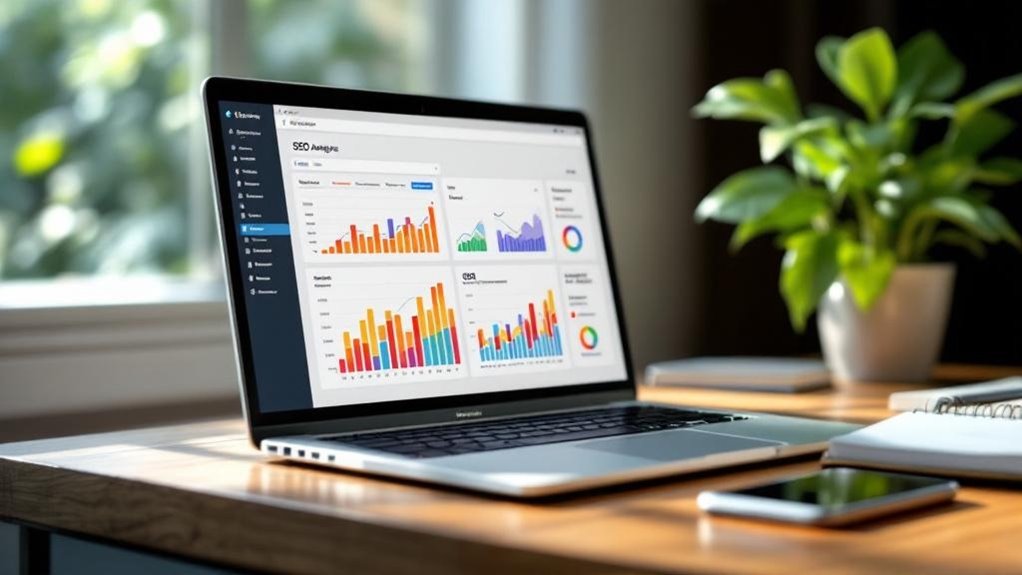
Google doesn’t care how beautiful your website looks—it cares how fast, secure, and functional it is. Regular maintenance directly boosts your site visibility and search rankings.
Here’s what you’re actually fixing:
- Page speed and image optimization reduce load times (Google penalizes slow sites hard)
- Mobile responsiveness keeps you competitive since 60% of searches happen on phones
- Meta descriptions and internal linking improve click-through rates considerably
- Content freshness signals keyword relevance to search algorithms
- User engagement metrics improve when your site actually works properly
Neglecting maintenance is basically handing your competitors free ranking points.
SEO optimization isn’t some mysterious dark art—it’s largely just keeping your WordPress installation clean, updated, and functional.
Tools like GTMetrix and Google PageSpeed Insights can help you diagnose exactly which performance issues are dragging your rankings down so you can address them with precision.
Boring? Maybe. Effective? Absolutely.
Why WordPress Database Optimization Matters
Behind the scenes of your WordPress site, there’s a database quietly accumulating junk—spam comments, post revisions, expired transients, and orphaned metadata that never get automatically cleaned up. Database fragmentation slows everything down. Slow queries create performance bottlenecks that your visitors notice immediately (and they leave).
| Problem | Real Impact |
|---|---|
| Database fragmentation | Pages load 40% slower |
| Plugin conflicts | Corrupted data integrity |
| Skipped database backups | Unrecoverable site loss |
| Poor storage management | Bloated hosting bills |
Query optimization and regular maintenance frequency—monthly, ideally—keep things running cleanly. You’re fundamentally preventing digital hoarding. Smart storage management reduces overhead costs. Protecting data integrity means your content stays reliable. Just as content structure and formatting directly impact how readers engage with your site, a well-maintained database ensures the technical foundation supports that experience seamlessly. The payoff? Better user experience, faster performance, and a site that actually works for you.
What Uptime Monitoring Catches That You Won’t

Your WordPress site could go down at 2 AM on a Tuesday, and you’d have absolutely no idea until a customer emails you the next morning asking why they can’t check out.
That’s where uptime analysis saves you. Automated monitoring checks your site every 60 seconds (yes, really) and alerts you immediately.
Downtime detection catches problems humans simply miss:
- Server crashes during off-hours
- Plugin conflicts breaking your checkout page
- Hosting provider outages affecting your traffic
- SSL certificate expirations killing visitor trust
- Database connection failures freezing your homepage
Without monitoring, you’re fundamentally flying blind.
Every minute of downtime costs real money—roughly $5,600 per minute for larger businesses. Even small sites bleed lost sales and credibility fast.
Don’t rely on customers to report your own emergencies. A reputable WordPress security plugin like Sucuri or Wordfence can complement your uptime monitoring by providing real-time alerts and malware scans that catch threats before they take your site offline.
Maintenance Tasks You Can Automate Right Now
Uptime monitoring is great, but it’s reactive—it tells you something broke after it breaks. Automation lets you get ahead of problems instead.
Maintenance plugins like ManageWP or MainWP handle the boring stuff so you don’t have to. Set up automated backups daily (UpdraftPlus does this for free), configure scheduling tools for database cleanup, and enable performance monitoring through tools like Query Monitor.
These aren’t glamorous tasks—nobody’s bragging about their cron jobs at dinner. But routine checks running automatically mean you catch bloated databases, failed logins, and outdated plugins before they snowball.
You’re fundamentally building a system that babysits your site while you focus on actual work. Automation doesn’t replace judgment; it just handles the repetitive stuff that humans inevitably forget.
DIY WordPress Maintenance vs. Hiring a Pro

Once you’ve got automation handling the routine stuff, you’ll hit a decision point: keep managing WordPress yourself or hand it off to someone who does this for a living.
Here’s what actually matters when choosing:
- Cost comparison: DIY is cheaper upfront, but your time investment has real dollar value.
- Skill requirements: Malware removal and database optimization aren’t beginner territory.
- Risk assessment: One botched update can tank your entire site.
- Troubleshooting expertise: Pros have seen your exact problem seventeen times already.
- Long-term benefits: Professional maintenance often prevents $500+ emergency fixes.
Project scope matters too. A five-page portfolio site? Probably DIY-able. An eCommerce store processing daily transactions? Hire someone.
Personal preference is valid, but be honest about your actual capabilities (not your imagined ones).
Building a WordPress Maintenance Schedule That Works
Once you’ve decided who’s handling your WordPress maintenance (you, a pro, or some combo of both), the next step is actually building a schedule that doesn’t fall apart after week two.
Start by prioritizing the non-negotiables—core, theme, and plugin updates, plus regular backups—before worrying about the fancier stuff.
Then, set realistic update windows (weekly for plugins, monthly for deeper audits) and lean on automation tools like ManageWP or MainWP to handle the routine checks so you’re not white-knuckling it every time something breaks.
Prioritizing Core Maintenance Tasks
Not every WordPress task deserves equal attention, and treating them like they do is how sites end up with updated emoji plugins but outdated security patches.
Build your maintenance checklist around what actually breaks things first.
Prioritize in this order:
- Core updates — outdated WordPress versions are hackers’ favorite welcome mats
- Security assessments — run these weekly, not whenever you remember
- Scheduled backups — daily if you publish frequently, weekly if you don’t
- Plugin management — audit quarterly; dead plugins create real vulnerabilities
- Performance audits — slow sites lose visitors faster than bad design does
Update frequency matters less than update consistency.
Site monitoring catches problems before your users do. That’s the whole point, honestly — staying ahead of disasters instead of scrambling through them.
Setting Realistic Update Schedules
Knowing what to prioritize is only half the battle — the other half is actually blocking time for it. Most site owners have great intentions, then suddenly it’s October and nothing’s been updated since February. Not ideal.
Pick a realistic update frequency — weekly for plugins, monthly for theme files, and quarterly for deeper audits.
Quarterly seasonal reviews work surprisingly well because they align with natural business cycles (summer campaigns, holiday pushes, January resets). You’re already thinking strategically then anyway.
Put it on the calendar like a real appointment. Seriously. “WordPress maintenance” sitting in your Thursday block actually gets done. Leaving it as a mental reminder absolutely does not.
Small, consistent sessions beat the panicked three-hour scramble after something breaks. Your future self will genuinely appreciate the difference.
Automating Routine WordPress Checks
Scheduling maintenance is great, but manually checking every plugin, theme, and file every week gets old fast.
Automation handles the tedious stuff so you don’t have to.
Here’s what to automate immediately:
- Automated backups running daily (UpdraftPlus does this well)
- Scheduled scans for malware through Wordfence or Sucuri
- Uptime checks via UptimeRobot—free and surprisingly reliable
- Performance monitoring through tools like New Relic or Query Monitor
- Security alerts pushed directly to your email or Slack
Script automation handles routine updates and plugin management without you babysitting the dashboard.
Set your rules once, let the system execute. You’ll catch broken files, failed logins, and slow load times before visitors notice.
Automation isn’t lazy—it’s strategic.
Tools That Make WordPress Maintenance Easier
Tackling WordPress maintenance doesn’t have to feel like defusing a bomb—mostly because the right tools exist to make it far less dramatic.
Maintenance plugins like ManageWP handle update managers and database cleaners simultaneously. Performance tools like GTmetrix reveal what’s quietly strangling your load times. Backup solutions like UpdraftPlus (free, actually reliable) save you from catastrophic regret. Security scanners like Wordfence catch threats before they escalate. Caching plugins like WP Rocket dramatically cut page load times—sometimes by 50%.
Optimization services like Imagify compress bloated images automatically. Monitoring apps like UptimeRobot alert you instantly when something breaks. Troubleshooting tools like Query Monitor expose hidden performance bottlenecks.
These aren’t luxury additions—they’re practical necessities. Stack a few smart tools together, and maintenance becomes genuinely manageable.
Frequently Asked Questions
How Does WordPress Maintenance Affect My Website’s Conversion Rates?
Your maintenance strategy directly boosts your conversion optimization by keeping your site fast, secure, and glitch-free. When you’re maintaining WordPress regularly, you’ll reduce bounce rates and create seamless user experiences that turn visitors into customers.
Can Poor WordPress Maintenance Void My Hosting Provider’s Service Agreement?
Yes, poor maintenance risks can void your hosting agreement. If you neglect updates, allow malware, or overload server resources, your hosting provider can suspend or terminate your service without warning.
Does Regular Maintenance Help WordPress Sites Comply With Data Privacy Laws?
Yes, regular maintenance helps your WordPress site comply with data privacy laws. By keeping plugins and security patches updated, you’ll strengthen data security and align with evolving privacy regulations that protect your users’ information.
How Does WordPress Maintenance Impact My Website’s Accessibility for Disabled Users?
Like a well-maintained bridge welcoming all travelers, regular WordPress maintenance directly improves accessibility for disabled users. You’ll conduct accessibility audits, refine user experience, and guarantee assistive technologies work seamlessly, making your site truly inclusive for everyone.
Can Neglecting WordPress Maintenance Affect My Domain Reputation With Email Providers?
Yes, neglecting WordPress maintenance can damage your domain security, making you vulnerable to spam and hacks. This harms your email deliverability, causing providers to flag or block your messages, ultimately ruining your domain’s reputation.
Final Thoughts
Your WordPress site isn’t going to maintain itself (shocking, as we understand). Regular upkeep keeps it fast, secure, and actually working—which matters more than most site owners realize until something breaks. Consider this: 43% of cyberattacks target small businesses, and an outdated WordPress install is basically a welcome mat.
Don’t let your site become vulnerable. Pick a maintenance schedule, stick to it, and automate what you can. Better yet, let the experts handle it. Innovative Solutions Group has over 30 years of experience in website design and digital marketing services, ensuring your WordPress site stays optimized and protected.
Contact Innovative Solutions Group today to set up a maintenance plan tailored to your needs:
Phone: 406-495-9291
Email: iteam@inovativhosting.com
Website: https://inovativhosting.com
Future you will appreciate not spending a Tuesday fixing a completely avoidable disaster. Reach out now and let professionals safeguard your site.